

Impact
Impact
a net-positive
a net-positive solution
solution for
for people and planet
people and planet

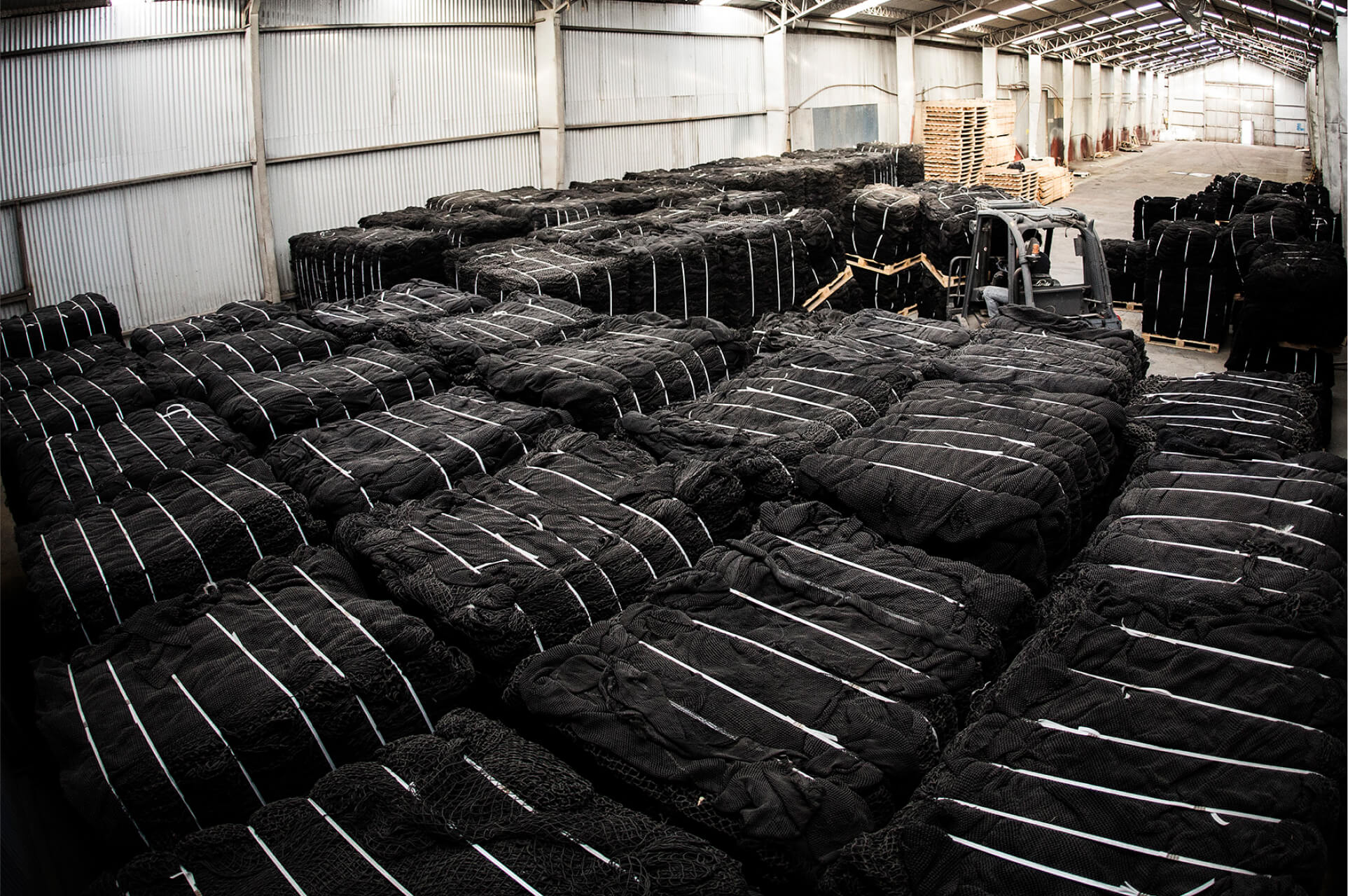
17+
Million lbs
Discarded Fishing Nets Collected for Recycling Since 2013
People
People
People
People

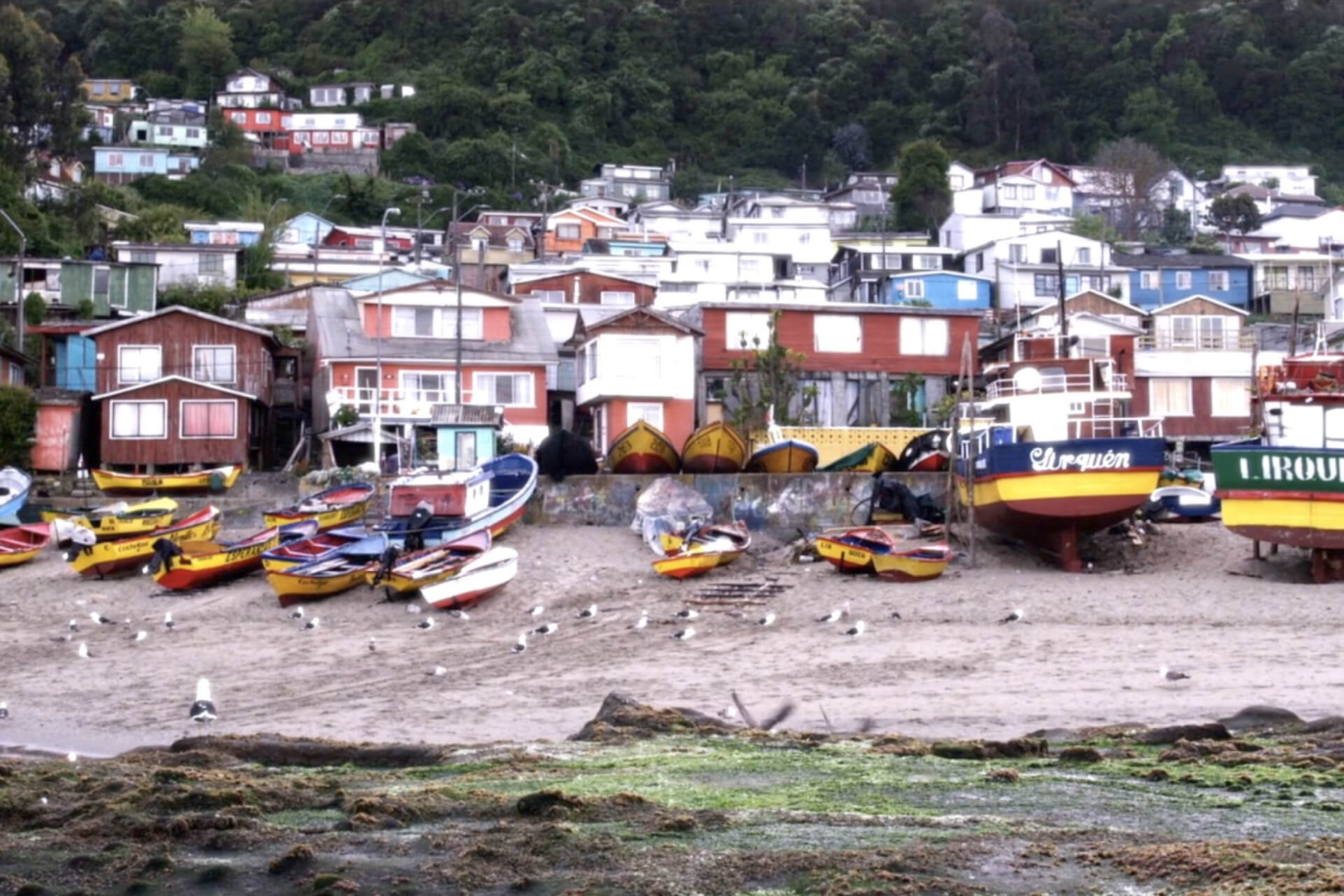
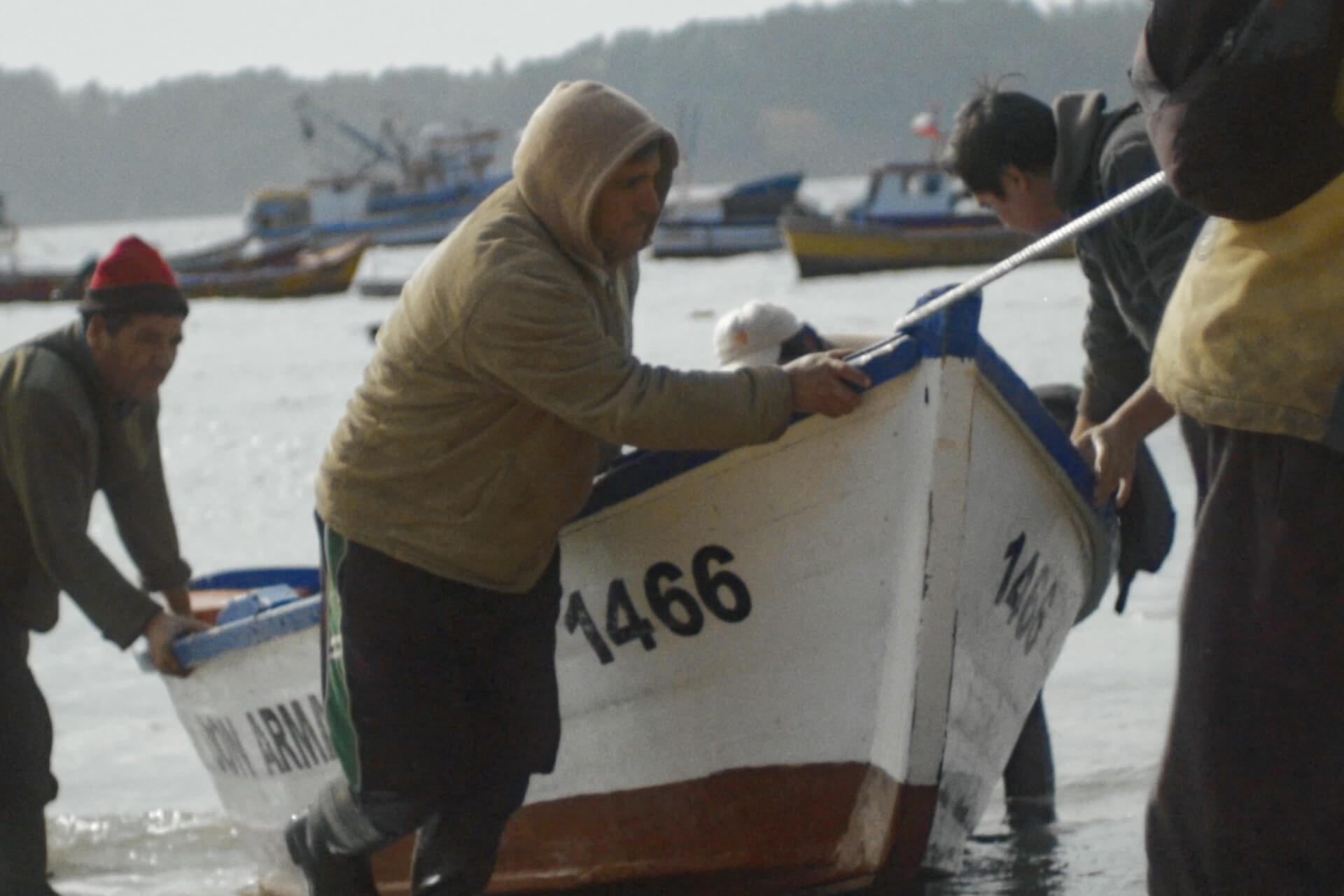
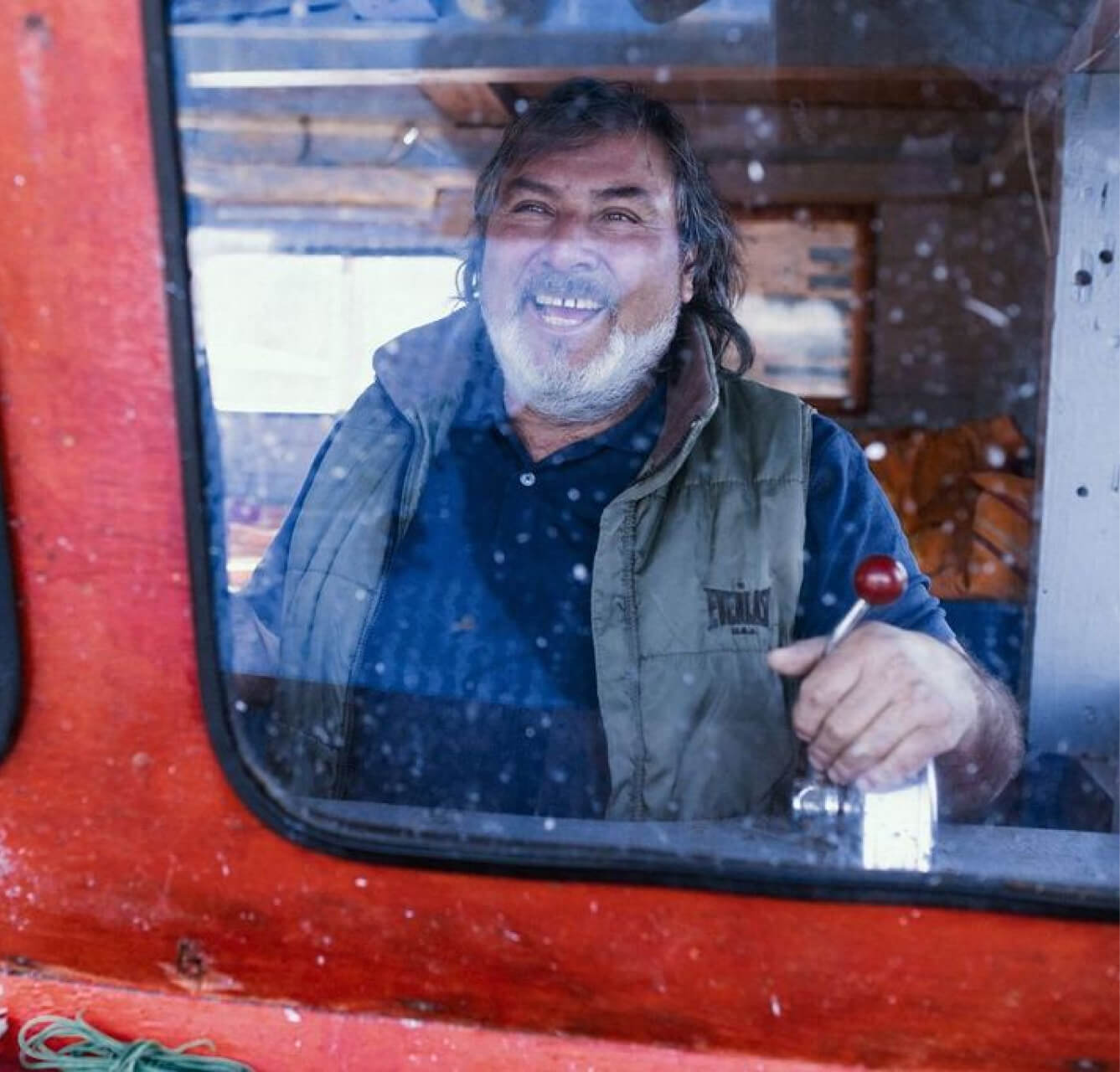
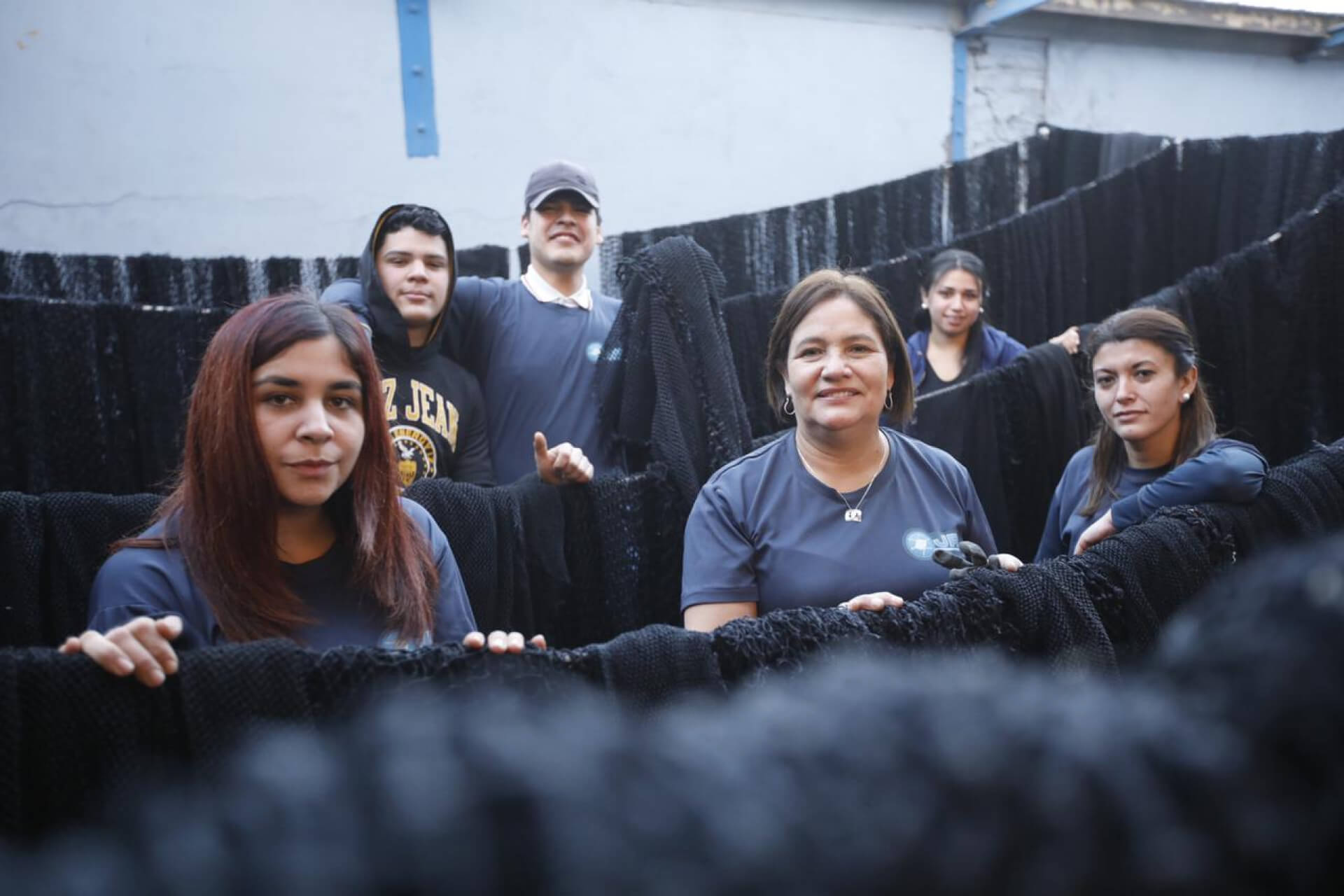
Empowering Fishing Communities With a More Circular Solution
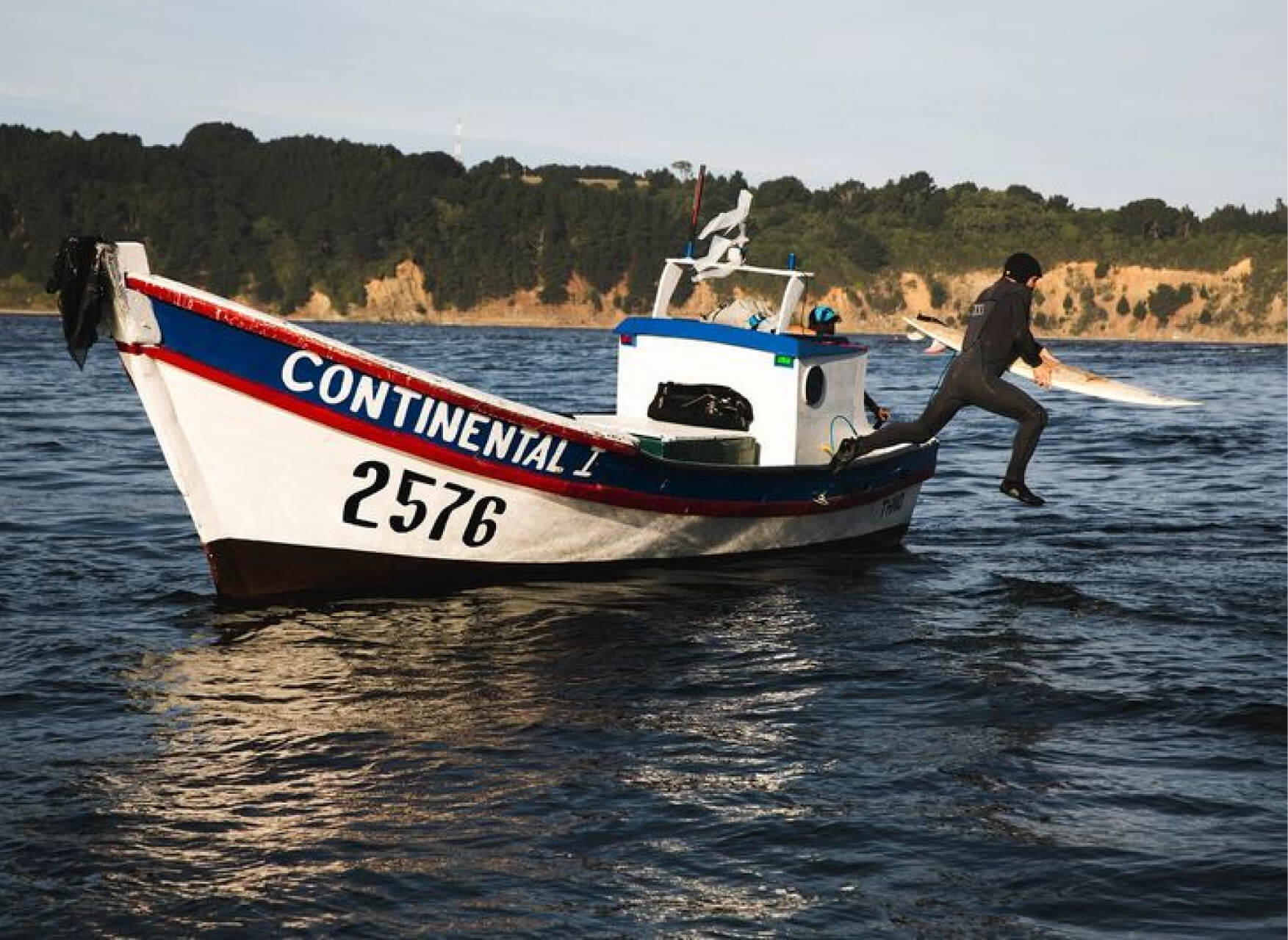
The NetPlus recycling program supports cleaner, healthier coastal communities by improving waste infrastructure, creating local employment opportunities, and funding environmental non-profits. Keeping plastic pollution out of the ocean creates a positive ripple effect in the communities where we work.


Planet
Planet
Planet
Protecting Marine Ecosystems by Reducing Plastic Pollution
Protecting Marine Ecosystems
by Reducing Plastic Pollution
Protecting Marine Ecosystems by
Reducing Plastic Pollution
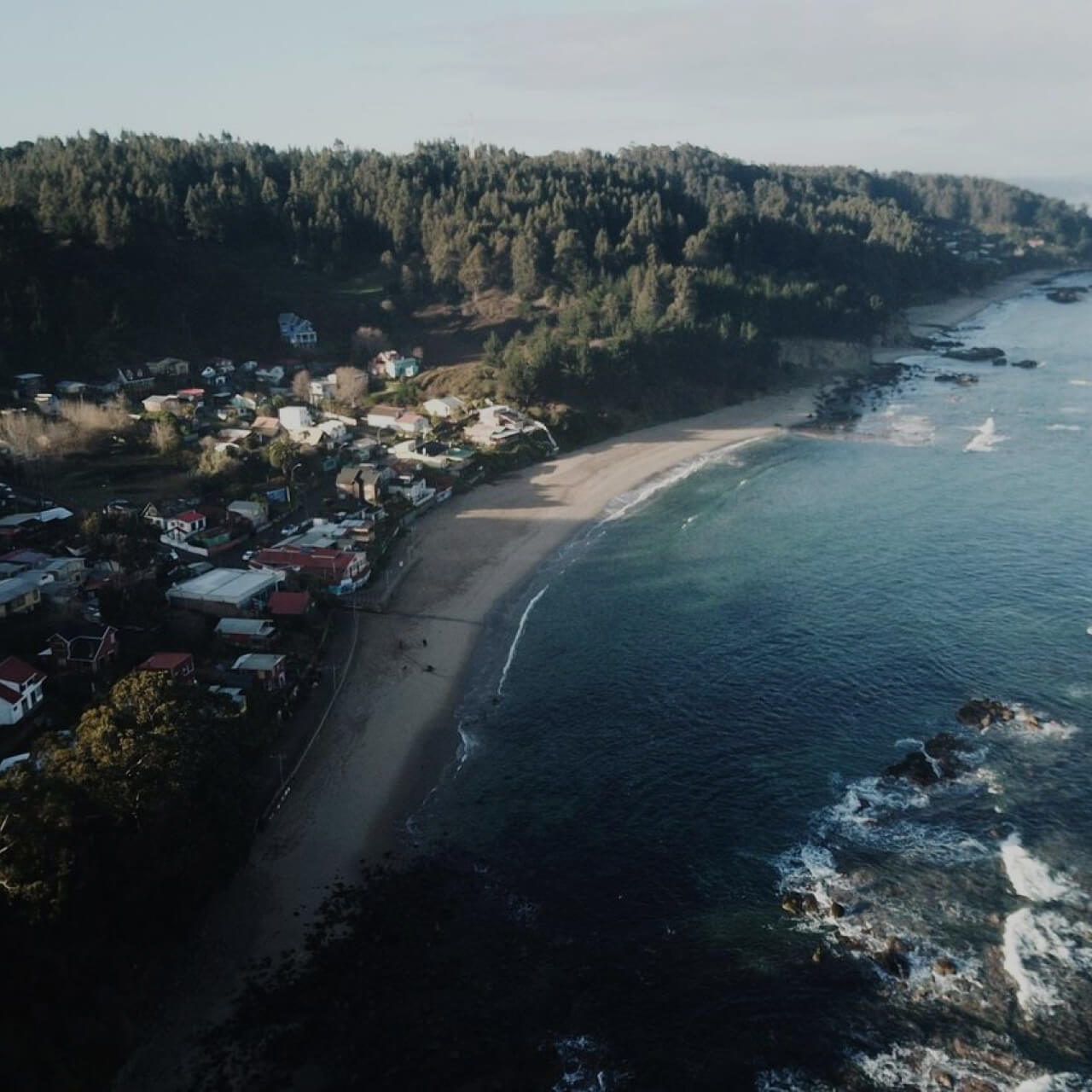
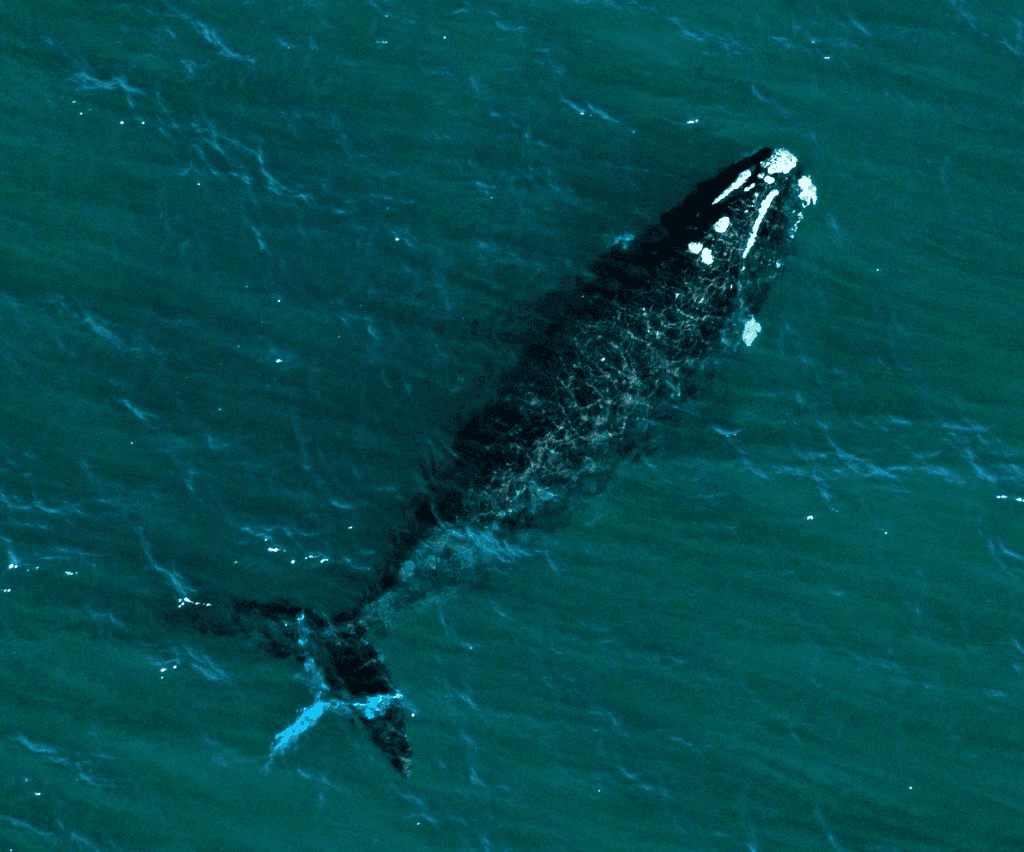
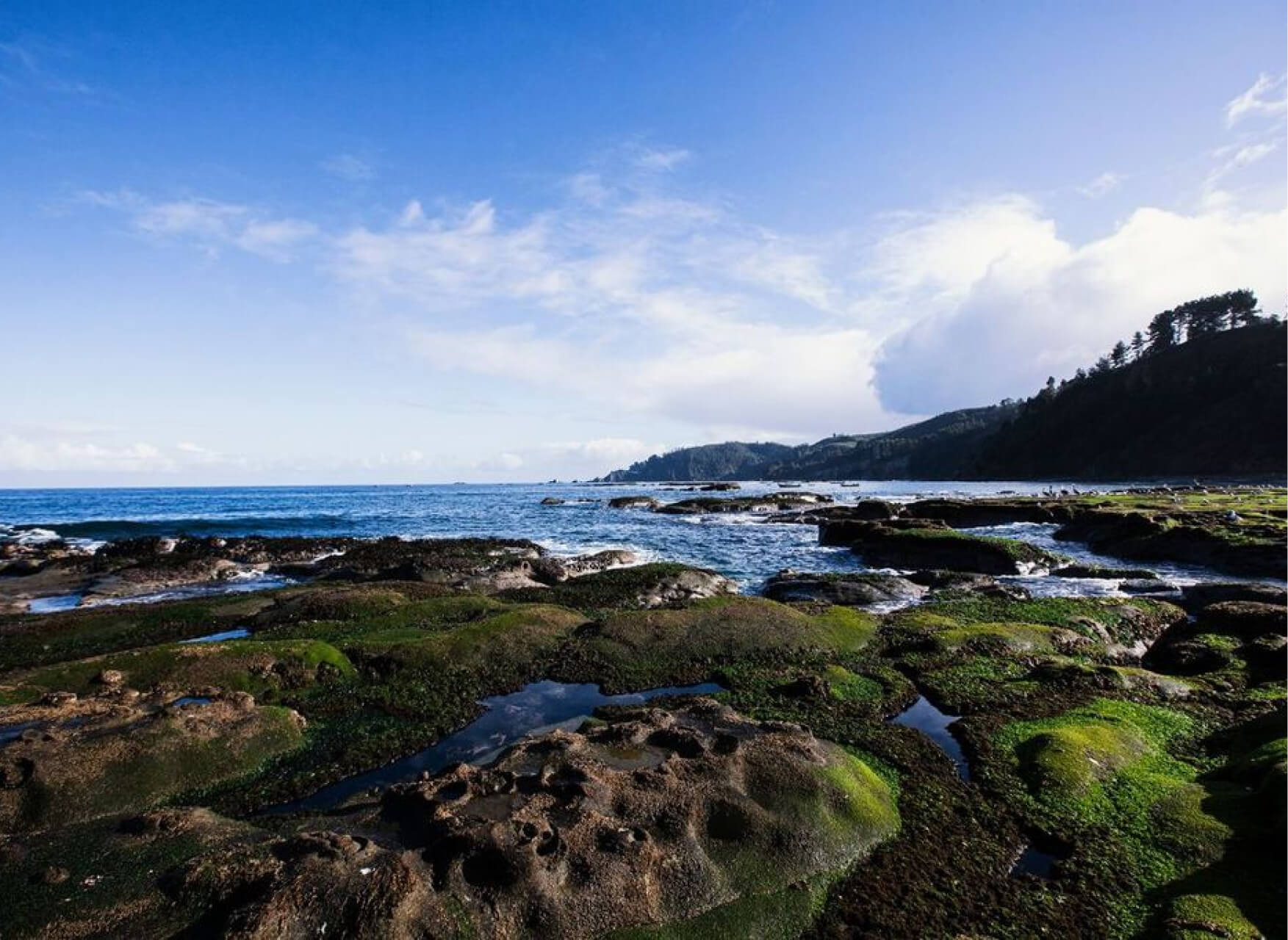
Fishing nets are considered one of the most harmful forms of ocean plastic pollution. When abandoned or lost at sea, they can entangle marine life, harm coral and seabed habitats, and break down into microplastics. That's why we take a proactive approach by capturing nets before they can potentially end up in the environment.
of plastic waste enters our ocean every year


Projects
Community Projects Powered by NetPlus
Every brand partnership helps us drive local impact in the communities where we work. The more nets we recycle, the more funding we can direct to local environmental non-profits. Here’s a snapshot of some community projects we supported in 2025.

Netwood Recycling Point
Coishco and Chancay, Peru
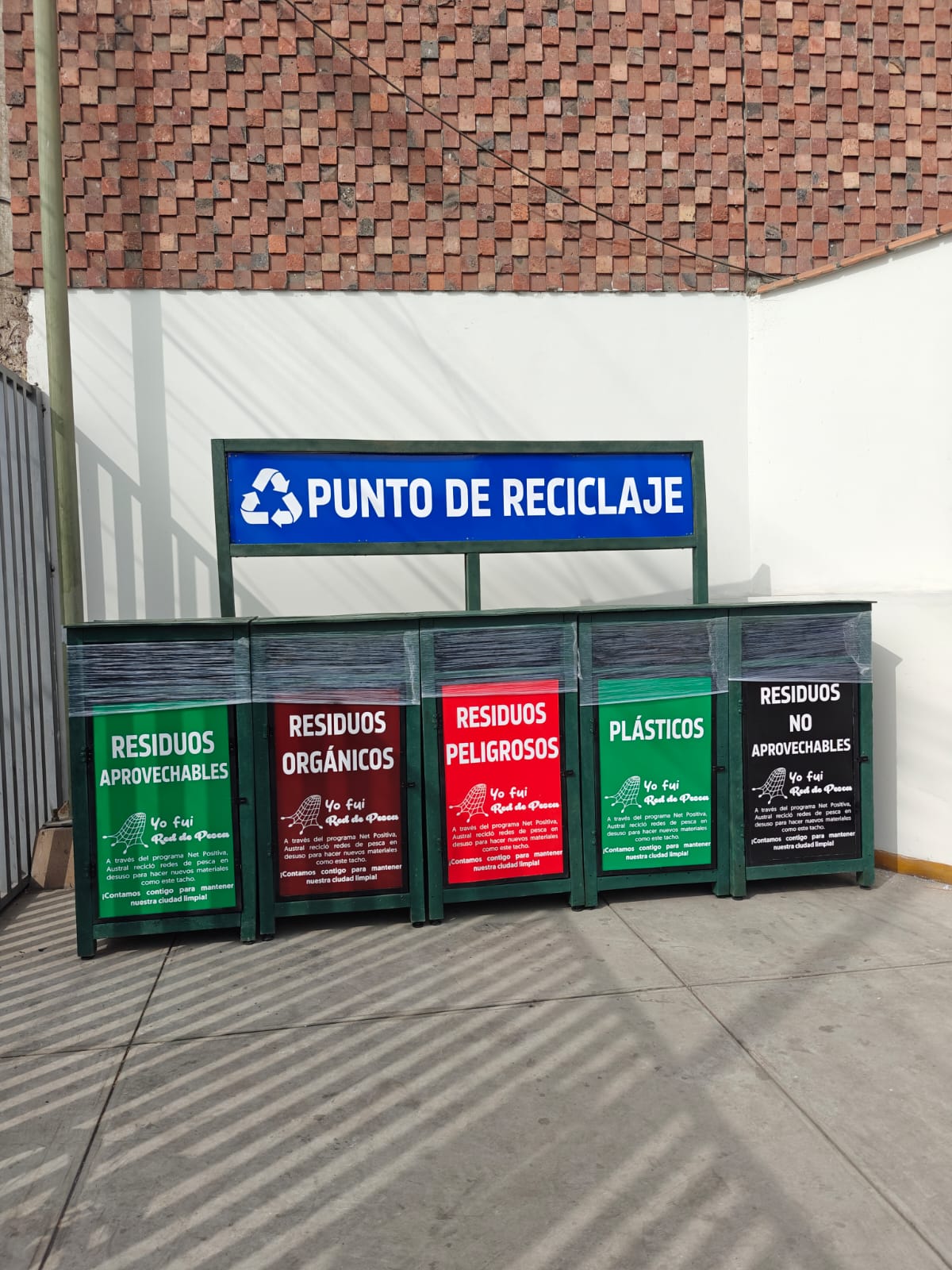
In partnership with the local Peruvian recycler Plastic Corporation, we transformed discarded fishing nets into a durable building material known as Netwood. Netwood combines end-of-life fishing nets with agricultural plastic waste to create fully water-resistant building materials with comparable structural performance to conventional alternatives. Together with our fishery program partner, Austral, we constructed two recycling points for the artisanal fishing communities of Coishco and Chancay using Netwood.
The Jellyfish Tent: Classroom on the Beach
Las Cruces, Chile
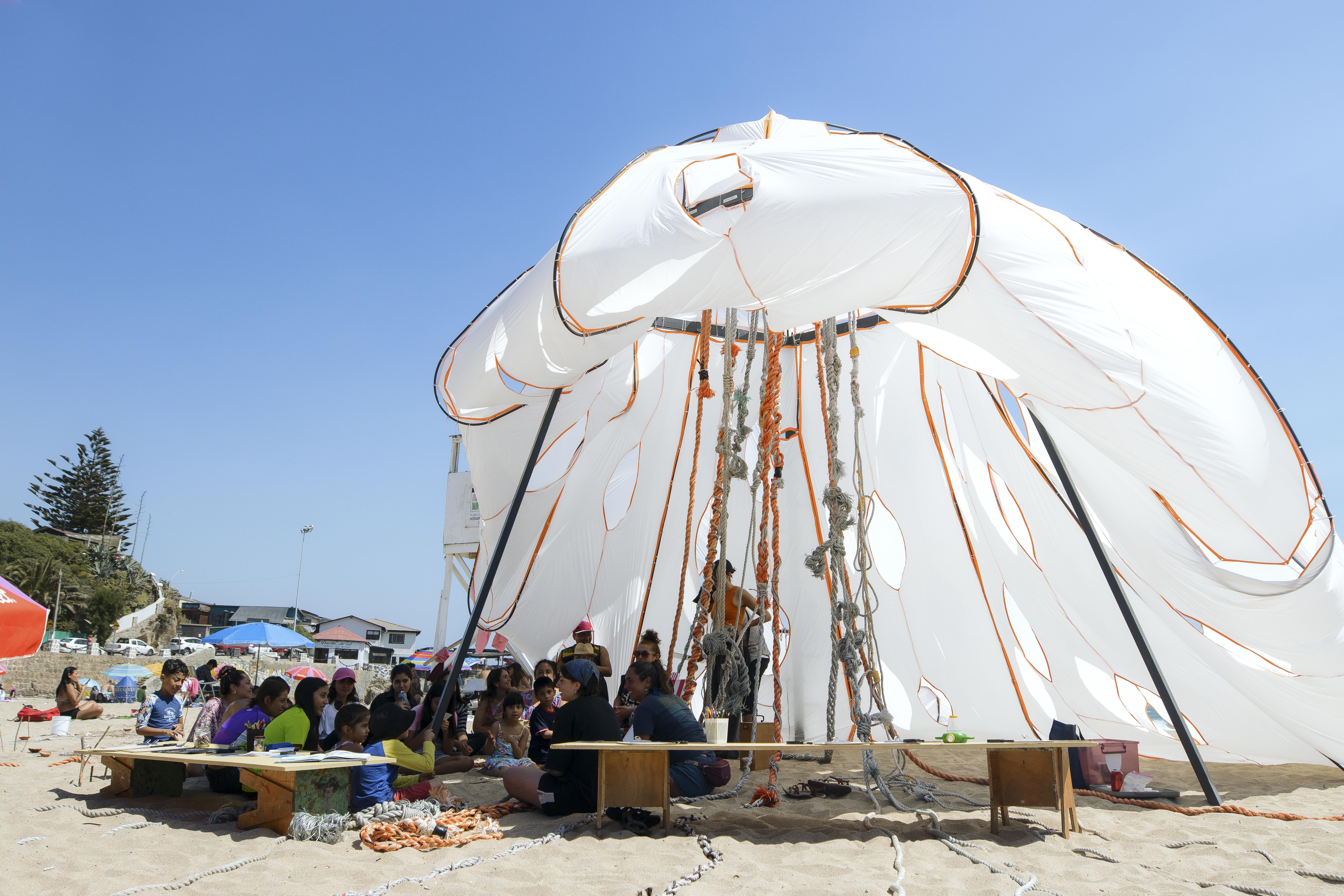
La carpa de la medusa is a traveling art installation and open-air classroom that offers nature-based programming for all ages. After making its debut at Playa Chica in Las Cruces, El Tabo, with a series of workshops and activities led by local artisans, writers, and scientists, the jellyfish-shaped tent has continued to pop up at various locations along the Chilean coast. This tent, made from NetPlus fabric, has become a welcoming community space for connecting with and learning about the environment.
REDNI Clean Water Project
Posorja, Ecuador
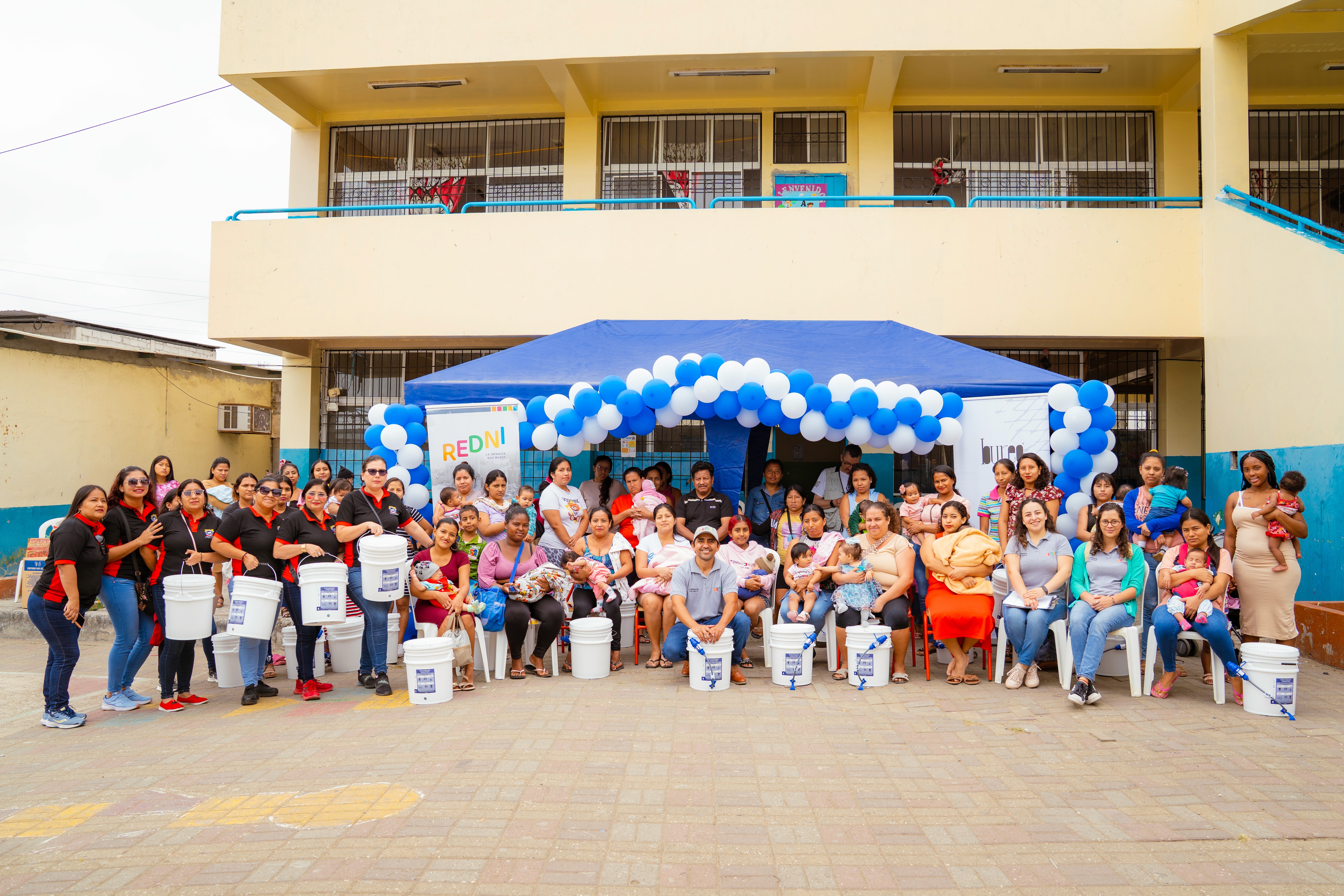
We helped improve access to clean water through the Posorja Maternity Center in partnership with non-profit Fundación REDNI, our fishery partner Guayatuna, local health and education authorities, and the Pablo Neruda School community. In total, 47 household water filters were distributed, and a community water filter was installed at the Posorja Maternity Center, benefiting pregnant women, newborns, healthcare staff, and visitors.
Animal Rehabilitation Center
Manabí Province, Ecuador
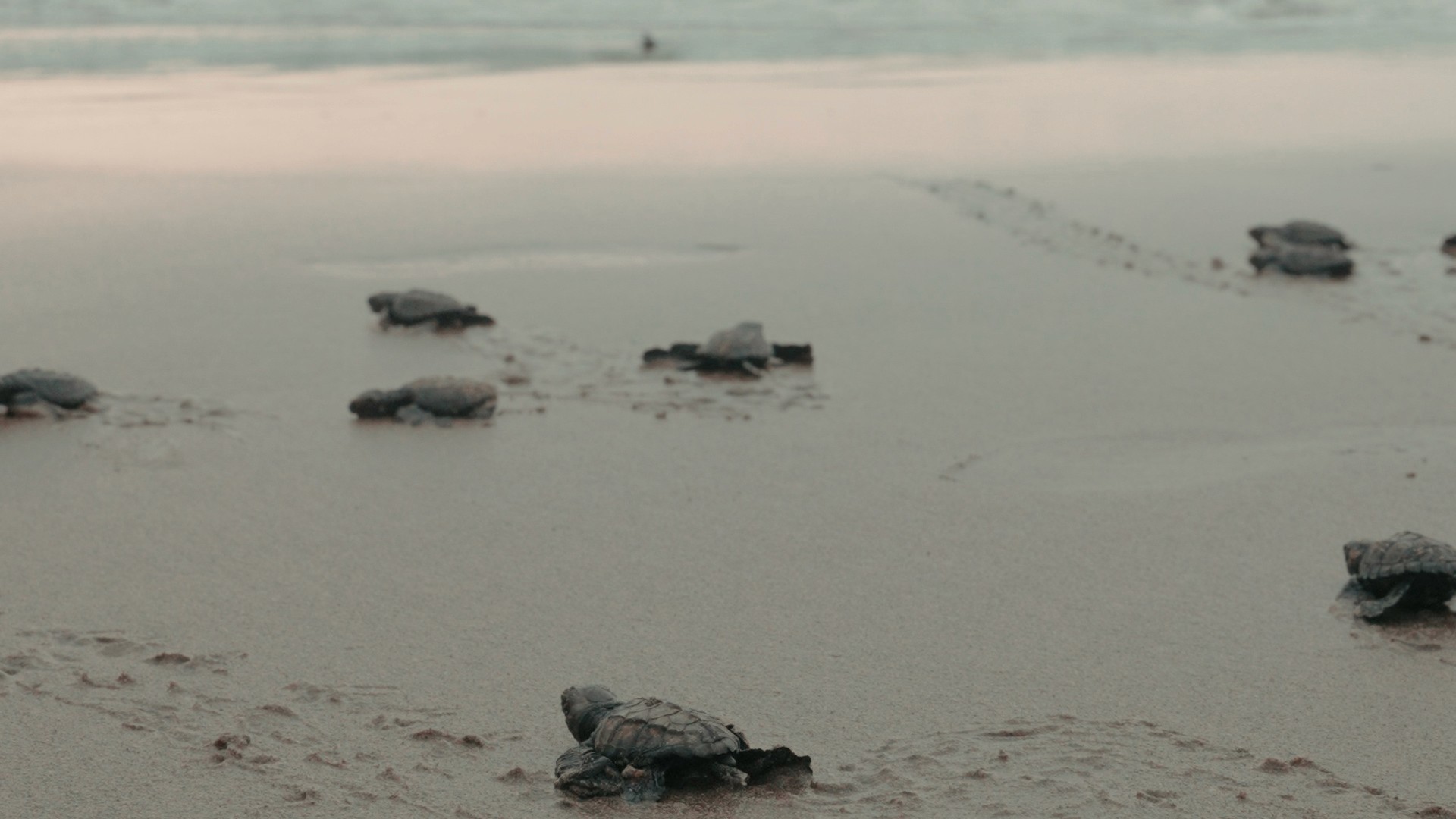
We supported the Marine Turtle Conservation and Community Engagement Project, led by Fundación Contamos Contigo Ecuador. This project enabled tangible conservation work, including sea turtle hatchling releases, nest monitoring, beach cleanups, mangrove reforestation, and microplastic sampling, as well as infrastructure upgrades for the Marine Conservation Community Center and observation tower, expanding capacity for volunteer engagement, sea turtle monitoring, and equipment storage.
Netwood Recycling Point
Coishco and Chancay, Peru
In partnership with the local Peruvian recycler Plastic Corporation, we transformed discarded fishing nets into a durable building material known as Netwood. Netwood combines end-of-life fishing nets with agricultural plastic waste to create fully water-resistant building materials with comparable structural performance to conventional alternatives. Together with our fishery program partner, Austral, we constructed two recycling points for the artisanal fishing communities of Coishco and Chancay using Netwood.
The Jellyfish Tent: Classroom on the Beach
Las Cruces, Chile
La carpa de la medusa is a traveling art installation and open-air classroom that offers nature-based programming for all ages. After making its debut at Playa Chica in Las Cruces, El Tabo, with a series of workshops and activities led by local artisans, writers, and scientists, the jellyfish-shaped tent has continued to pop up at various locations along the Chilean coast. This tent, made from NetPlus fabric, has become a welcoming community space for connecting with and learning about the environment.
REDNI Clean Water Project
Posorja, Ecuador
We helped improve access to clean water through the Posorja Maternity Center in partnership with non-profit Fundación REDNI, our fishery partner Guayatuna, local health and education authorities, and the Pablo Neruda School community. In total, 47 household water filters were distributed, and a community water filter was installed at the Posorja Maternity Center, benefiting pregnant women, newborns, healthcare staff, and visitors.
Animal Rehabilitation Center
Manabí Province, Ecuador
We supported the Marine Turtle Conservation and Community Engagement Project, led by Fundación Contamos Contigo Ecuador. This project enabled tangible conservation work, including sea turtle hatchling releases, nest monitoring, beach cleanups, mangrove reforestation, and microplastic sampling, as well as infrastructure upgrades for the Marine Conservation Community Center and observation tower, expanding capacity for volunteer engagement, sea turtle monitoring, and equipment storage.
Netwood Recycling Point
Coishco and Chancay, Peru
In partnership with the local Peruvian recycler Plastic Corporation, we transformed discarded fishing nets into a durable building material known as Netwood. Netwood combines end-of-life fishing nets with agricultural plastic waste to create fully water-resistant building materials with comparable structural performance to conventional alternatives. Together with our fishery program partner, Austral, we constructed two recycling points for the artisanal fishing communities of Coishco and Chancay using Netwood.
The Jellyfish Tent: Classroom on the Beach
Las Cruces, Chile
La carpa de la medusa is a traveling art installation and open-air classroom that offers nature-based programming for all ages. After making its debut at Playa Chica in Las Cruces, El Tabo, with a series of workshops and activities led by local artisans, writers, and scientists, the jellyfish-shaped tent has continued to pop up at various locations along the Chilean coast. This tent, made from NetPlus fabric, has become a welcoming community space for connecting with and learning about the environment.
REDNI Clean Water Project
Posorja, Ecuador
We helped improve access to clean water through the Posorja Maternity Center in partnership with non-profit Fundación REDNI, our fishery partner Guayatuna, local health and education authorities, and the Pablo Neruda School community. In total, 47 household water filters were distributed, and a community water filter was installed at the Posorja Maternity Center, benefiting pregnant women, newborns, healthcare staff, and visitors.
Animal Rehabilitation Center
Manabí Province, Ecuador
We supported the Marine Turtle Conservation and Community Engagement Project, led by Fundación Contamos Contigo Ecuador. This project enabled tangible conservation work, including sea turtle hatchling releases, nest monitoring, beach cleanups, mangrove reforestation, and microplastic sampling, as well as infrastructure upgrades for the Marine Conservation Community Center and observation tower, expanding capacity for volunteer engagement, sea turtle monitoring, and equipment storage.
FAQ
FAQ
FAQ
Is NetPlus better for the planet?
Why are discarded nets so bad?
How do fishermen benefit from NetPlus?
How does Bureo give back?
Is NetPlus better for the planet?
Why are discarded nets so bad?
How do fishermen benefit from NetPlus?
How does Bureo give back?
Is NetPlus better for the planet?
Why are discarded nets so bad?
How do fishermen benefit from NetPlus?
How does Bureo give back?
Next Up
Inside Bureo
We’re on a mission to end fishing net pollution through community empowerment.

Next Up
Inside Bureo
We’re on a mission to end fishing net pollution through community empowerment.

Next Up
Inside Bureo
We’re on a mission to end fishing net pollution through community empowerment.

Bureo US
North America HQ
Oxnard, California
Bureo Chile
South America HQ
Talcahuano, Chile

© 2026 Bureo inc. All rights reserved.
Chiba, Japan
Oxnard, California
Ensenada, Mexico
Manta, Ecuador
Lima, Peru
Talcahuano, Chile
Mar Del Plata, Argentina

Bureo US
North America HQ
Oxnard, California
Bureo Chile
South America HQ
Talcahuano, Chile
© 2026 Bureo inc. All rights reserved.
Bureo US
North America HQ
Oxnard, California
Bureo Chile
South America HQ
Talcahuano, Chile
© 2026 Bureo inc. All rights reserved.
Chiba, Japan
Oxnard, California
Ensenada, Mexico
Manta, Ecuador
Lima, Peru
Talcahuano, Chile
Mar Del Plata, Argentina
Bureo US
North America HQ
Oxnard, California
Bureo Chile
South America HQ
Talcahuano, Chile
© 2026 Bureo inc. All rights reserved.
Chiba, Japan
Oxnard, California
Ensenada, Mexico
Manta, Ecuador
Lima, Peru
Talcahuano, Chile
Mar Del Plata, Argentina